You’re scrolling through a group chat or replying to a comment, and someone drops “DPMO” out of nowhere. No explanations, no emojis, just four letters. You stare at the screen for a second, trying to figure out if you’re in trouble or if it’s a joke. That confusion is exactly why so many people search for DPMO meaning in text every single day.
The truth is, DPMO isn’t complicated once you know it. But the way people use it changes depending on who’s texting, what app they’re on, and what mood they’re in. In this guide, we’ll break down everything DPMO actually means, where it came from, how it shows up across different apps, and even its completely different meaning in the business world — something most slang guides skip entirely.
What Does DPMO Mean in Text?
DPMO stands for “Don’t Piss Me Off.”
It’s a slang warning. People type it when they’re getting annoyed, when someone is testing their patience, or when they want to set a boundary fast without writing out a whole sentence. It’s blunt by design that’s the whole point of texting slang. Instead of typing “you’re really starting to annoy me,” people just drop DPMO and move on.
Here’s what it looks like in real life conversations:
- “Stop tagging me in those memes. DPMO.”
- “You ate the last slice again? DPMO 😭”
- “I already told you twice. DPMO today.”
Notice the emoji in the second example. That one small detail changes everything about how the message lands. Without it, DPMO can feel sharp. With a crying-laughing emoji attached, it instantly reads as a joke between friends.
Where Did DPMO Come From?
Texting abbreviations didn’t appear out of nowhere they grew out of necessity. Back when SMS messages were limited to a small number of characters and typing on a numeric keypad was painfully slow, people shortened everything they could. That’s how we got LOL, BRB, and IDK.
The phrase “don’t piss me off” itself is much older than texting. People have said it out loud for decades as a casual warning. What changed is that internet culture eventually compressed it into an acronym, the same way it did with hundreds of other phrases.
By the time TikTok and Discord became dominant spaces for younger users, DPMO had already settled into regular rotation across:
- Group chats and DMs
- Gaming voice/text chat
- TikTok and Instagram comment sections
- Twitter/X replies
- Meme captions
It’s not an old-school abbreviation like LOL it’s part of a newer wave of slang that leans more emotional and reactive than purely functional.
How DPMO Is Used Across Different Apps
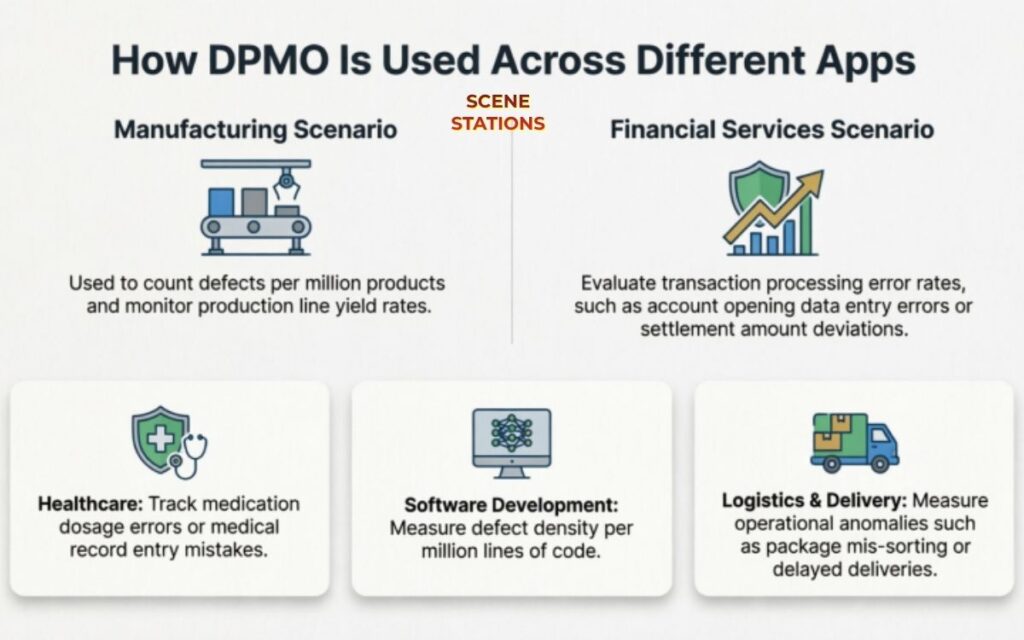
The core meaning of DPMO doesn’t change much from platform to platform, but the tone shifts depending on where you see it.
On WhatsApp DPMO usually shows up in friend group chats during playful back-and-forth banter. It’s rarely meant seriously here because WhatsApp groups tend to be smaller, closer circles of people who already know each other’s humor.
However, on TikTok and Instagram comments, DPMO is mostly used humorously. “DPMO” can be mentioned as a comment below a video where someone discusses some relatable problem in life, like a room mate who eats his leftover food or a brother who steals his charger.
On Discord and gaming chats this is where DPMO leans a bit more genuine. If a teammate keeps making the same mistake during a match, “DPMO” can carry real irritation, even if it’s still informal.
On Snapchat it is usually quick, casual, and often paired with a sarcastic selfie or reaction snap rather than a long explanation.
The takeaway: same four letters, different emotional weight depending on the room you’re standing in.
Is DPMO Rude?
It can sound rude, and that’s worth being upfront about. The phrase contains mild profanity (“piss”), so it’s not something you’d casually drop into a conversation with your manager, a teacher, or someone you don’t know well.
That said, rudeness depends heavily on:
- Relationship close friends read it as playful; strangers might read it as hostile.
- Context: A joke about food disappearing reads differently than DPMO mid-argument.
- Tone markers, emojis, punctuation, and capitalization all shift how harsh it feels.
If someone you don’t know well sends you DPMO out of nowhere, it’s reasonable to pause and ask what’s going on rather than assume the worst.
DPMO vs Similar Slang Terms
A lot of people confuse DPMO with other short reaction-based slang. Here’s how it stacks up:
| Term | Meaning | Intensity |
| DPMO | Don’t Piss Me Off | Direct warning, moderate-to-strong |
| SMH | Shaking My Head | Disappointment, mild |
| IDC | I Don’t Care | Indifference, low |
| STFU | Shut the F*** Up | Aggressive, high |
| ISTG | I Swear To God | Frustration, moderate |
| BRUH | General disbelief | Mild, often humorous |
DPMO sits in the middle of the pack. It’s more direct than SMH or IDC, but it doesn’t carry the outright hostility of STFU. Most of the time, it functions as a warning rather than an insult.
DPMO Meaning in Business: Defects Per Million Opportunities
Here’s something most slang guides leave out completely: DPMO has a totally separate, professional meaning that has nothing to do with texting.
In manufacturing, quality control, and Six Sigma methodology, DPMO stands for “Defects Per Million Opportunities.” It’s a statistical metric used to measure how often defects occur in a process, scaled to one million chances for error. Companies in manufacturing, healthcare, aviation, and logistics use DPMO to track quality control and process efficiency.
For example, a factory producing electronic components might calculate its DPMO to figure out how consistent its production line is. A lower DPMO score means a more reliable process and fewer defects.
So if you come across “DPMO” in a business report, an engineering document, or a Six Sigma training course, it almost certainly has nothing to do with texting slang. Context makes the difference instantly. Nobody is going to open a quarterly manufacturing report with “Don’t Piss Me Off.”
Common Misconceptions About DPMO
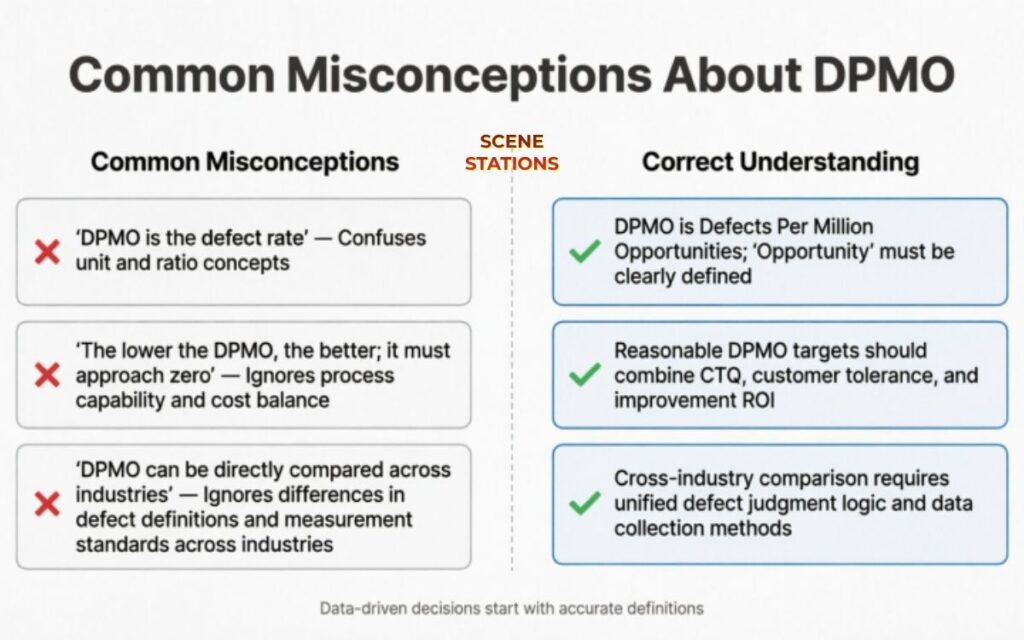
“DPMO always means someone is genuinely angry.”
Not true. A huge portion of its usage online is exaggerated for comedic effect, especially in caption and comment sections.
“It’s an official, recognized abbreviation.”
It isn’t. DPMO in the texting sense has no fixed dictionary definition; it developed organically online, the same way most slang does.
“DPMO only has one meaning.”
As covered above, it has two completely separate meanings depending on context: the casual slang version and the Six Sigma business metric.
How to Respond When Someone Sends You DPMO
Your response should match the energy of the message, not escalate it.
- If it feels playful: Match the tone. A simple “lol relax, I’m kidding 😂” works fine.
- If it feels serious: Acknowledge without arguing back. Something like “Got it, my bad” diffuses tension fast.
- If you genuinely can’t tell: Just ask. “Are you actually annoyed or joking?” is a perfectly normal response and avoids unnecessary conflict.
Texting strips out tone of voice and facial expression, so misreading a message is common. Asking for clarification isn’t awkward, it’s smart.
Is DPMO Appropriate for Professional Communication?
No. Keep DPMO completely out of emails, work Slack channels, and any conversation with clients or colleagues. The mild profanity alone makes it inappropriate for formal settings, regardless of how casual your workplace culture is.
If you want to express frustration professionally, try alternatives like:
- “This is becoming a recurring issue. Can we address it?”
- “I would appreciate it if we could resolve this soon.”
- “Let’s keep this conversation constructive.”
These convey the same underlying message of frustration and a need for change — without the slang or the swearing.
FAQs
What does DPMO mean in text?
DPMO means “Don’t Piss Me Off.” It’s slang used to express irritation or set a boundary in casual conversation.
Is DPMO only used by Gen Z?
No. While it’s popular among younger users, plenty of millennials and even older internet users use it casually, too slang isn’t strictly age-locked.
Does DPMO mean something different in business?
Yes. In manufacturing and Six Sigma contexts, DPMO stands for “Defects Per Million Opportunities,” a quality-control metric completely unrelated to texting.
Can DPMO be used as a joke?
Absolutely. It’s frequently used humorously, especially in captions and comment sections, to exaggerate minor annoyances.
Is it okay to use DPMO with someone I just met?
It’s risky. Without an established rapport, it can come across as unnecessarily harsh. Stick to it with people who already know your sense of humor.
What are some softer alternatives to DPMO?
“You’re testing my patience,” “Please stop,” or “I’m getting annoyed” all communicate the same feeling without slang or profanity.
Final Thoughts
DPMO is a small acronym that carries a surprising amount of emotional range — from playful teasing between friends to a genuine signal that someone’s patience is running thin. The letters never change, but the meaning behind them depends entirely on who’s sending it, where it’s being sent, and how it’s framed.
And if you ever spot DPMO in a business report instead of a group chat, don’t panic, that’s just Six Sigma talking about defect rates, not your coworker losing their temper.
Next time DPMO lands in your inbox or comments, you’ll know exactly how to read it and exactly how to respond.
For more Info Plz Visit

Ash Williom has spent years writing puns, wordplay, and internet slang guides for Scenestations.com, with a habit of testing every joke on real friends and family before it makes the list. When not chasing down the perfect one-liner, Ash is usually knee-deep in group chats collecting new material or digging into how internet slang actually spreads across platforms.