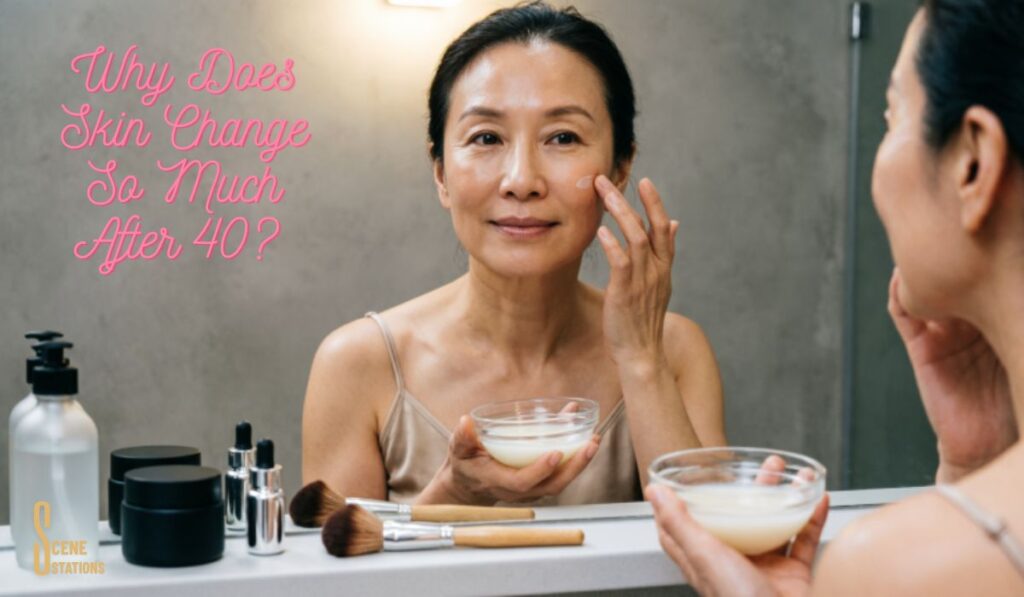
A few years ago, I noticed something odd. My skin wasn’t just getting a few lines here and there it felt different. Less bouncy, a bit drier, somehow less “mine.” I kept buying creams, hoping one of them would be the magic fix. None of them really were.
Eventually I learned why, and it had nothing to do with which cream I was using.
The Real Reason Skin Changes With Age
Your skin’s firmness and elasticity come largely from a protein called collagen. Think of it as the scaffolding that holds everything in place. When you’re younger, your body produces plenty of it on its own.
But starting in your mid-20s, collagen production naturally begins to slow down — and by your 40s and 50s, that decline becomes much more noticeable. Less collagen means less structure, which shows up as fine lines, sagging, and that “tired” look no cream alone can fully fix.
This isn’t just about skin, either. Collagen also supports joints, hair, and nails — which is why people sometimes notice stiffer joints or thinner hair around the same time their skin starts changing.
Signs Your Collagen Levels Might Be Dropping
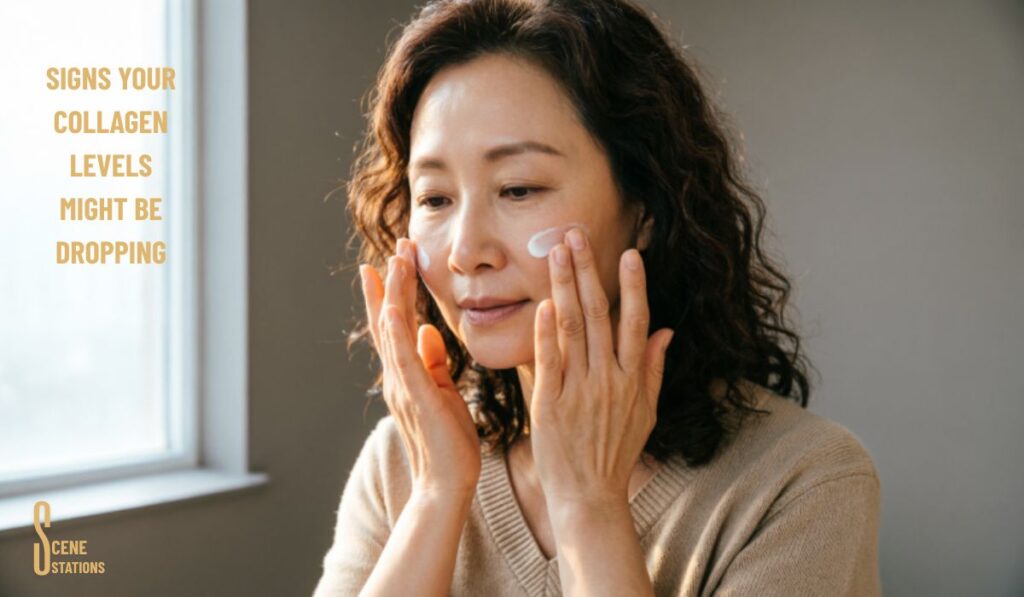
From what I’ve read (and noticed myself), these are common signs:
- Skin feels less firm or “bouncy” than it used to
- Fine lines and wrinkles becoming more noticeable
- Hair feeling thinner or more brittle
- Nails breaking more easily
- Joints feeling slightly stiffer, especially in the morning
If a few of these sound familiar, it doesn’t mean anything is wrong — it’s just a natural part of aging that a lot of us experience earlier than we expect.
What Actually Helps Support Collagen
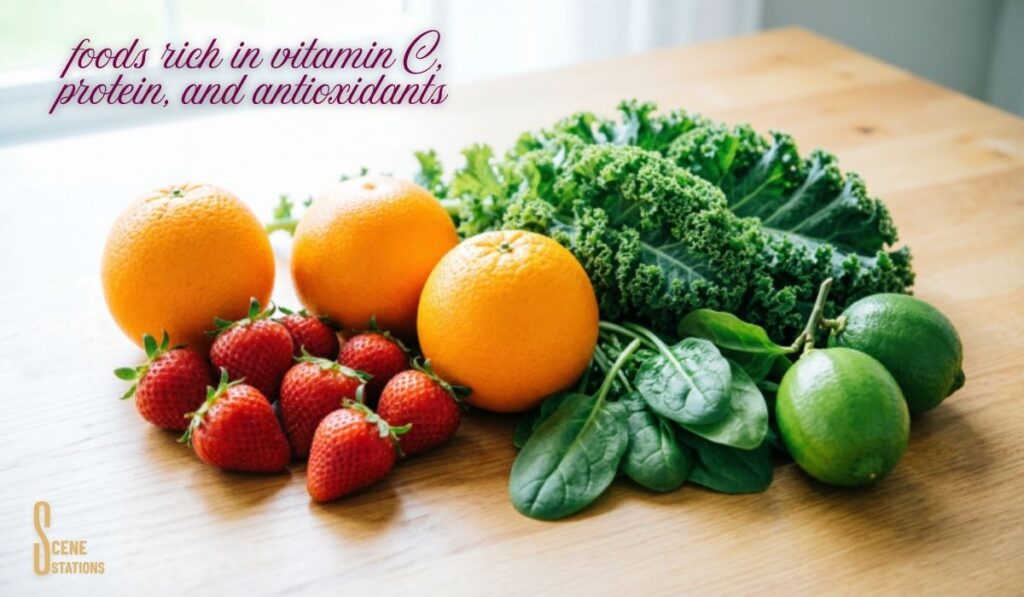
Diet plays a role — foods rich in vitamin C, protein, and antioxidants support your body’s natural collagen production. Staying hydrated and protecting your skin from sun damage also make a real difference.
Beyond that, some people choose to add a collagen supplement to their routine, since diet alone doesn’t always provide enough to offset the natural decline.
One option that’s been getting attention is Advanced Collagen Plus, a supplement formulated to support skin elasticity, joint comfort, and overall collagen levels from the inside out.
👉 You can learn more about it here
Frequently Asked Questions
Q: At what age should I start thinking about collagen support?
There’s no exact age, but many people start noticing changes in their late 20s to 30s, since collagen production begins declining around that time. Starting earlier may help support skin and joints before changes become more noticeable, though it’s never too late to start.
Q: Can diet alone give me enough collagen?
A nutrient-rich diet helps support your body’s natural collagen production, but it doesn’t directly replace collagen the way a supplement can. Many people use both — a good diet and a targeted supplement — for more complete support.
Q: Is collagen only about skin, or does it help other things too?
Collagen is a major structural protein in the body, so it also plays a role in joint comfort, hair strength, and nail health, not just skin appearance.
Final Thoughts
I used to think skin aging was just something you cover up with the right cream. Understanding what’s actually happening underneath — the loss of collagen — changed how I think about it. It’s not about chasing a “quick fix,” it’s about supporting what your body naturally needs more of as you get older.
This post contains an affiliate link. I may earn a commission at no extra cost to you. This content is based on personal experience and general research, and is not intended as medical advice. Please consult a healthcare professional for personal health concerns.

Ash Williom has spent years writing puns, wordplay, and internet slang guides for Scenestations.com, with a habit of testing every joke on real friends and family before it makes the list. When not chasing down the perfect one-liner, Ash is usually knee-deep in group chats collecting new material or digging into how internet slang actually spreads across platforms.