
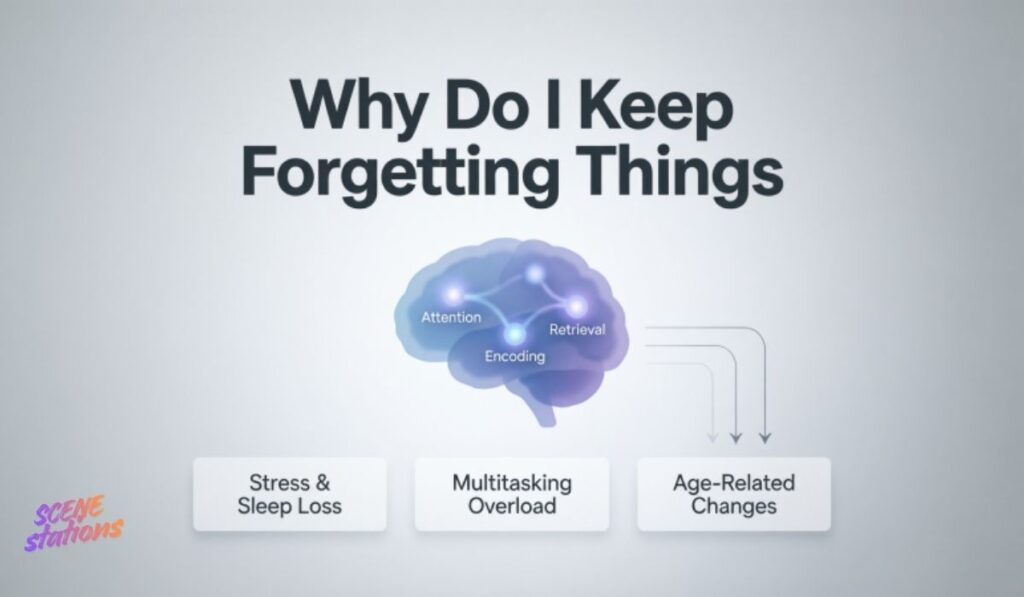
I used to joke that I had a “mommy brain” — walking into a room and forgetting why, blanking on names I should know, losing my train of thought mid-sentence. I brushed it off for years. Then one day I actually looked into why this was happening, and honestly, it wasn’t what I expected.
Turns out, memory issues aren’t just about “getting older” or being busy. There’s a real, biological reason behind that mental fog — and once I understood it, a lot of things started making sense.
It’s Not Just You (And It’s Not Just Age)
If you’ve ever walked into a room and forgotten why you’re there, or struggled to recall a word that’s “right on the tip of your tongue,” you already know how frustrating this is. It’s easy to assume it’s just stress, or a busy schedule, or simply getting older.
But here’s what I learned: your brain, like every other organ in your body, needs energy to function properly. And when that energy supply isn’t where it should be, memory and focus are often the first things to suffer.
What’s Actually Happening in Your Brain
Your brain uses more energy than almost any other organ in your body, even though it’s a small percentage of your total body weight. That energy comes from your cells — specifically, from tiny structures inside them that are responsible for producing energy.
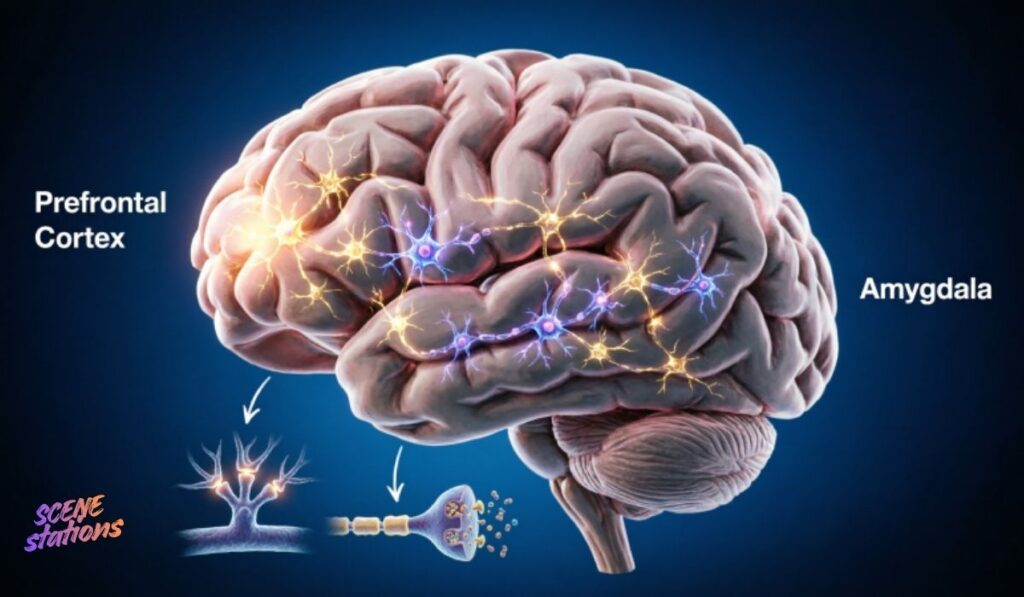
When this energy production slows down (which can happen for a lot of reasons — age, stress, poor sleep, diet), your brain simply has less fuel to work with. And a brain that’s running low on fuel doesn’t focus as sharply, doesn’t recall information as quickly, and tends to feel “foggy.”
This isn’t just a theory I stumbled on somewhere random — it’s a well-documented part of how the brain works, and it’s why so many memory-support approaches focus on nutrients that support cellular energy and brain function, rather than just “brain games” or puzzles alone.
Signs Your Brain Might Need More Support
From my own experience (and honestly, from talking to friends who felt the same way), here are some common signs:
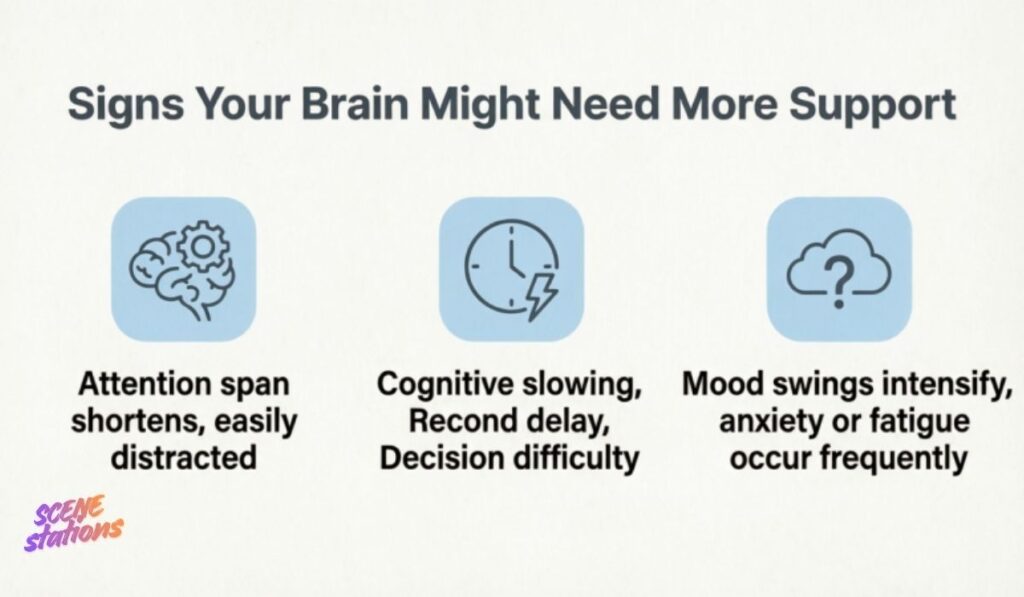
- Forgetting names, dates, or small details more than usual
- Losing focus partway through a task
- Feeling mentally “foggy,” especially later in the day
- Struggling to find the right word in conversation
- Feeling like your thinking is slower than it used to be
If a few of these sound familiar, you’re definitely not alone — and it doesn’t necessarily mean anything is seriously wrong. It often just means your brain could use a little extra support.
What Actually Helped Me
I started paying more attention to what I was putting into my body — not just food, but specific nutrients known to support brain and memory function. Things like B vitamins, antioxidants, and other nutrients that support healthy cellular energy production came up again and again in what I read.
Eventually, I came across Advanced Memory Formula, a supplement that combines several of these nutrients specifically to support memory, focus, and mental clarity. I’m not saying it’s magic, and results can vary from person to person, but it’s part of what’s worked for me alongside better sleep and less stress.
Frequently Asked Questions
Q: Is it normal to have memory lapses, or should I be worried?
Occasional forgetfulness is extremely common and usually isn’t a cause for concern, especially if it’s mild and not getting noticeably worse. That said, if memory issues are significantly affecting your daily life, it’s always a good idea to talk to a doctor to rule out other causes
Q: How long does it typically take to notice a difference with memory supplements?
This varies a lot from person to person. Some people notice small changes within a few weeks, while for others it takes longer. Consistency, along with good sleep and a healthy diet, tends to make the biggest difference.
Q: Can lifestyle changes alone improve memory?
Absolutely — sleep, hydration, exercise, and a nutrient-rich diet all play a major role in brain health. Supplements like this one are meant to complement those habits, not replace them.
Final Thoughts
I’m not a doctor, and I’m not claiming this is a miracle fix — but understanding why memory fog happens made a real difference in how I approached it. If you’ve been feeling forgetful or foggy lately, it might be worth looking at what your brain actually needs at a cellular level, rather than just accepting it as “normal aging.”

Ash Williom has spent years writing puns, wordplay, and internet slang guides for Scenestations.com, with a habit of testing every joke on real friends and family before it makes the list. When not chasing down the perfect one-liner, Ash is usually knee-deep in group chats collecting new material or digging into how internet slang actually spreads across platforms.